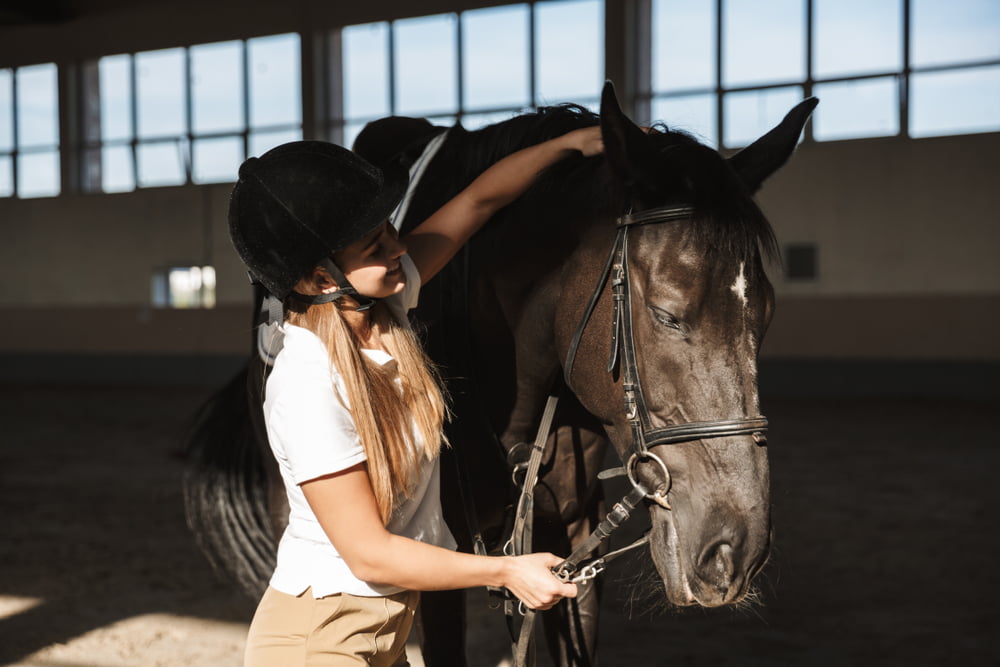
Equine Veterinarian in Griswold, CT
We Look Forward to Working With You and Your Horses!
Twin Pines Equine, led by our experienced equine veterinarian team, is an equine ambulatory practice serving eastern Connecticut and Rhode Island. We offer medical, surgical, and dental care for all horses, as well as 24/7 emergency services. Recently we have expanded to include alternative therapies such as chiropractic and acupuncture therapies. The team and equine veterinarians at Twin Pines Equine hope to provide the best quality veterinary care and support not only to our patients but to our clients as well. Additionally, we strive to promote the importance of the welfare of the horse and to practice as their advocates.
Experiencing an Emergency?
We understand that emergencies tend to be unexpected, so our equine veterinarians have made it their priority to be available for established
clients when you need it most, 24/7!
860-245-TWIN (8946)
Our Mission
At the core of our efforts, we aim to provide exceptional care as an equine veterinarian that supports the health and well-being of every horse we serve. Our deep commitment to advancing equine health is fundamental to our practice.
With a focus on equine health, our mission as an equine veterinarian centers on offering comprehensive medical, surgical, and reproductive services tailored to meet the unique needs of horses in eastern Connecticut and Rhode Island.
Our equine veterinarian strives to enhance the quality of life for horses through preventative medicine, cutting-edge treatments, and routine exams designed for early detection of potential issues. Our approach blends expertise in surgery with exceptional horse-handling skills, ensuring each animal receives personalized attention.
Our Services
Routine Check-Ups and Vaccinations
Routine check-ups and vaccinations are crucial for maintaining the health of horses. These appointments give vets the chance to spot and address potential health issues early on, preventing them from becoming serious concerns.
Digital Imaging
Digital imaging is crucial for timely diagnosis and prompt treatment. It minimizes guesswork and ensures that every horse receives the most effective care possible. Our experienced team skillfully employs digital X-rays and ultrasounds to detect hidden ailments without causing discomfort to animals.
Reproductive Care
With offerings like ultrasound exams, fertility assessments, and neonatal care, our clinic is recognized as a top provider of equine veterinary services in Griswold. We blend expertise with compassion to guarantee that both mare and foal get the individualized care they need during this vital time.
Why Choose Our Approach to Equine Veterinary Care?
Expertise in Equine Health and Care
Our highly skilled equine veterinarian team is dedicated to the well-being of horses. With years of experience, Dr. Ashley Kornatowski and Dr. Matt Kornatowski lead exceptional services in medical, surgical, and reproductive care for all types of horses.
Personalized and Compassionate Approach
At our veterinary clinic, every horse is given care that considers its individual needs and situation. As your equine veterinarian, we listen intently to what the owners say and watch each animal closely to make sure they provide exactly what’s needed for its health and happiness.
This kind of personalized attention helps create a bond of trust between the vet, the horse, and the owner.
Access to Advanced Technology and Treatments
Standing at the forefront of veterinary care, our practice offers access to advanced technology and treatments. It equips our equine veterinarian team with state-of-the-art tools such as digital imaging devices and modern surgical equipment.
This enables precise diagnoses and effective treatment plans tailored to each horse’s needs. From intricate lameness evaluations to comprehensive reproductive care, every procedure benefits from the latest advancements in equine medicine.
Why Clients Love Us

FAQs
What services do you offer?
- Acupuncture
- Behavior Services
- Needle Aversion Therapy
- Routine and advanced dentistry
- Digital Coggins/Health Certificates
- Digital Imaging
- Radiography
- Ultrasound
- Endoscopy
- Gastroscopy
- Equine Chiropractic examinations and adjustments
- Insurance examinations (send content)
- Lameness examinations
- Microchipping
- Neonatal care
- Nutritional consultations
- Ophthalmology
- Parasite control
- Fecal egg counts
- Targeted deworming programs
- Pre-purchase examinations
- Pro-Stride
- Reproductive services
- Saddle Fitting
- Senior care
- Shockwave
- Surgery
- Castration
- Laceration repair
- Enucleation
- Mass removals
- Routine vaccination
- Wellness Examinations
- 24-hour emergency services
What are your hours of operation?
We are proud to say we’re a 24/7 practice! Anytime you need help, we’re here for you!
Do you accept emergencies?
Yes, we offer emergencies for current clients with valid veterinary/client/patient relationships. Please contact us at 860-245-TWIN (8946) for more information, or check out our emergencies page!
Experiencing Emergency?
Are you accepting new patients?
We are not currently accepting new routine clients. However, depending on availability in our schedule, we are more than happy to accommodate a la carte services such as dentistry and chiropractic/acupuncture.
What types of payment methods do you accept?
For your convenience, we accept the following;
- Cash
- Debit
- Check (with a valid ID)
- Visa
- MasterCard
- Discover
- American Express
- Venmo
View Payment Options
Veterinary Expertise in Every Stride: Explore Our Equine Care Solutions Today!
You’ll find our personalized approach sets us apart in equine vet care. Benefit from our wide range of services available Monday to Friday. Don’t let your horse’s health issues stress you out; our skilled equine veterinarian is here to help.
Imagine the peace of mind knowing experts are just a call away. Reach out now and ensure your horse gets top-notch veterinary attention.
(860) 376-4373